
Finding National City Residents
The fastest route depends on the clue in hand. A current parcel points toward SanGIS, the San Diego County Assessor, and the Recorder. A case question starts with the Superior Court party index. A family-history question belongs with the Kile Morgan Local History Room, newspapers, yearbooks, census schedules, and older city directories. A person checking their own registration uses California My Voter Status, which is identity-gated. Those are separate record systems, not pages of one shared National City residents directory.
Each source answers a narrower question. An assessor record can connect an owner, mailing address, value, sale, and parcel facts, but it does not list every occupant. A deed names parties to an instrument, not a present household. A court index locates a case and does not establish guilt or a current address. Directory entries preserve a dated householder, occupation, or business link. Read the record role and date before treating a name as a resident clue.
- Start with the name, address, or era you can defend, then write down spelling variants.
- Use the county parcel and assessor channels to anchor an address to an APN, or assessor parcel number.
- Search the ARCC Official Records name index for the owner, seller, trust, or organization connected to the parcel.
- Use a court, vital, license, yearbook, newspaper, or directory source that fits the person and date.
- When the online route ends, use a kiosk, counter, mail request, library appointment, or California Public Records Act request.
Where National City Records Live
National City’s public-record trail crosses city, county, and state lines. The city keeps legislation, permits, police records, and requestable municipal files. San Diego County ARCC combines assessor, recorder, and county-clerk services. The Superior Court holds trial files. California systems handle statewide vital records, licenses, business entities, custody information, and privacy programs. A record custodian matters because no office can certify a different office’s copy.
ARCC’s Official Records Index reaches 1970-present online by name. Earlier books and indexes require an ARCC kiosk or County Archives route. Assessor ownership and address assistance is available by phone, kiosk, or ParcelQuest, while California law limits general Internet publication of ownership information. The nearby Chula Vista ARCC branch is at 590 Third Avenue. The full street-by-street method belongs with the National City street directory, where parcel geometry and address records can be kept together.
San Diego County Recorder / Register of Deeds
ARCC Official Records
Countywide service
619-237-0502
San Diego County Assessor
ARCC Property Information
ParcelQuest and kiosks
619-236-3771
California Elections Records
Self-lookup only
Identity-gated service
Personal record check
The official ARCC assessor entry shows the property-information route and its access boundary.
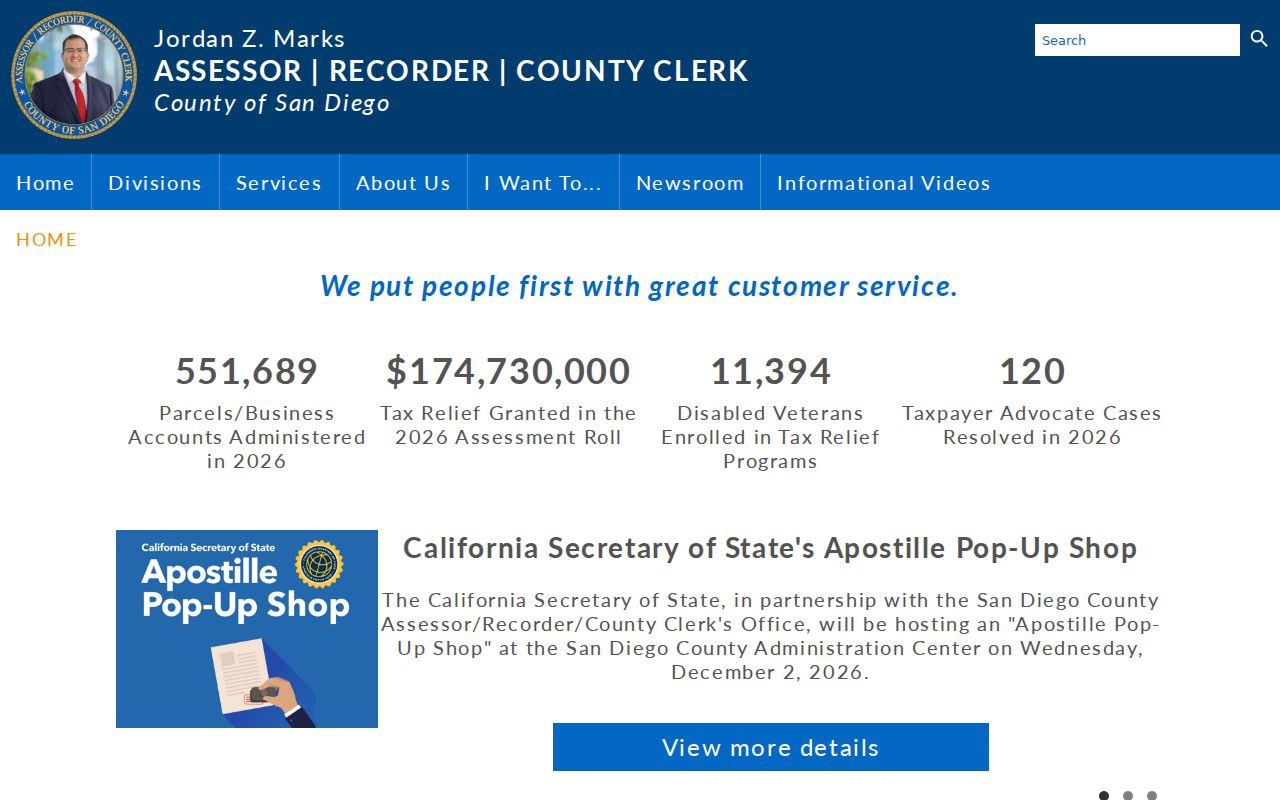
That channel can connect an address to a parcel and owner record, but the owner record is not a complete household list.
Current National City Directory Sources
Current National City residents appear indirectly across records with different purposes. The property channel identifies an owner or parcel. The recorder identifies a party to an instrument. Business and professional systems show an entity role or license relationship. The court index points to a dated case. The Chamber lists commercial and nonprofit contacts, not households. Treat every row as a clue with a role, date, and access rule.
| Source | Who It Lists | Keeper | Access |
|---|---|---|---|
| ARCC property information | Owners, parcel facts, sales, and mailing or situs clues | San Diego County Assessor | Phone, kiosk, or ParcelQuest |
| My Voter Status | A voter’s own registration and election details | California Secretary of State | Identity-gated self-check |
| ARCC Official Records | Parties to deeds, liens, easements, and releases | Recorder / County Clerk | Free name index; images and copies separate |
| City records and permits | Officials, applicants, owners, contractors, and project addresses | National City | Laserfiche, NextRequest, or division request |
| Business and license records | Entities, agents, officers, licensees, and dated affiliations | California SOS, DCA, ARCC | Official search; disclosures vary |
The source that best fits a question should lead. A person-name question can move from court and license records to a parcel or recorded instrument. An address question starts with geography and ownership channels. When the goal is to verify one identity, a National City resident lookup pairs stable facts rather than treating one index hit as a match.
The ARCC Official Records search is the relevant name-index entry point for deeds and related instruments.
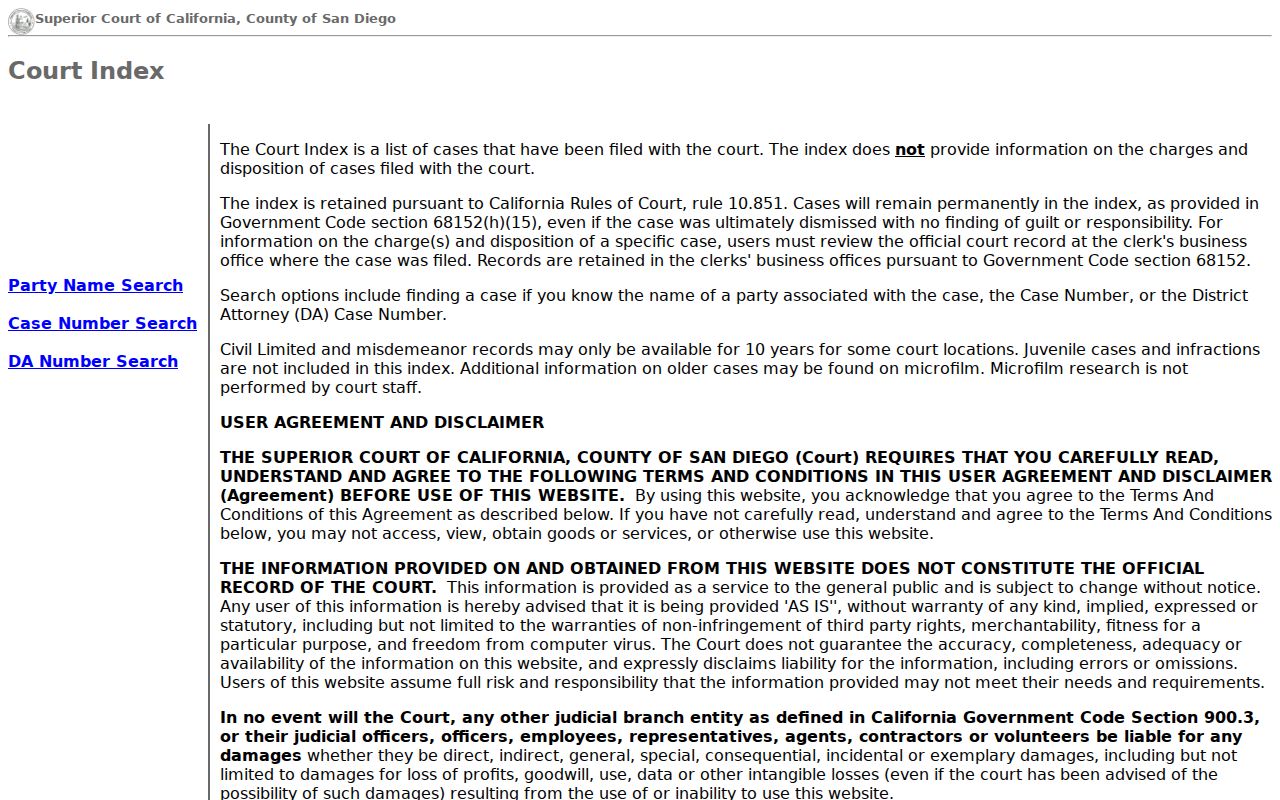
The screenshot belongs with the distinction between a free index result and the document image or certified copy held by the recorder.
National City Court and Vital Records
The San Diego Superior Court party index can return a case title, number, location, type, filed date, party names and roles, and register-of-actions events where available. It does not show charges or disposition, and an entry can remain after dismissal or a no-guilt outcome. Pre-1974 cases, juvenile matters, infractions, sealed material, and sensitive remote documents have limits. A file request uses the returned court location rather than assuming every National City case is at South County.
Birth, death, and marriage copies follow a separate California system. ARCC issues local copies, while CDPH holds statewide records from July 1905. California distinguishes authorized copies from informational copies. The former requires eligibility and a sworn statement; the latter is marked not valid to establish identity. Confidential marriage records come from the issuing County Clerk to a party or by court order. A divorce certificate or abstract is not the Superior Court decree.
These records can support genealogy, heir research, and family links, but each request must follow the record’s eligibility rule. A database transcription can identify a likely event; the custodian’s copy controls.
The San Diego Superior Court index entry is the official starting point for a case-location check.
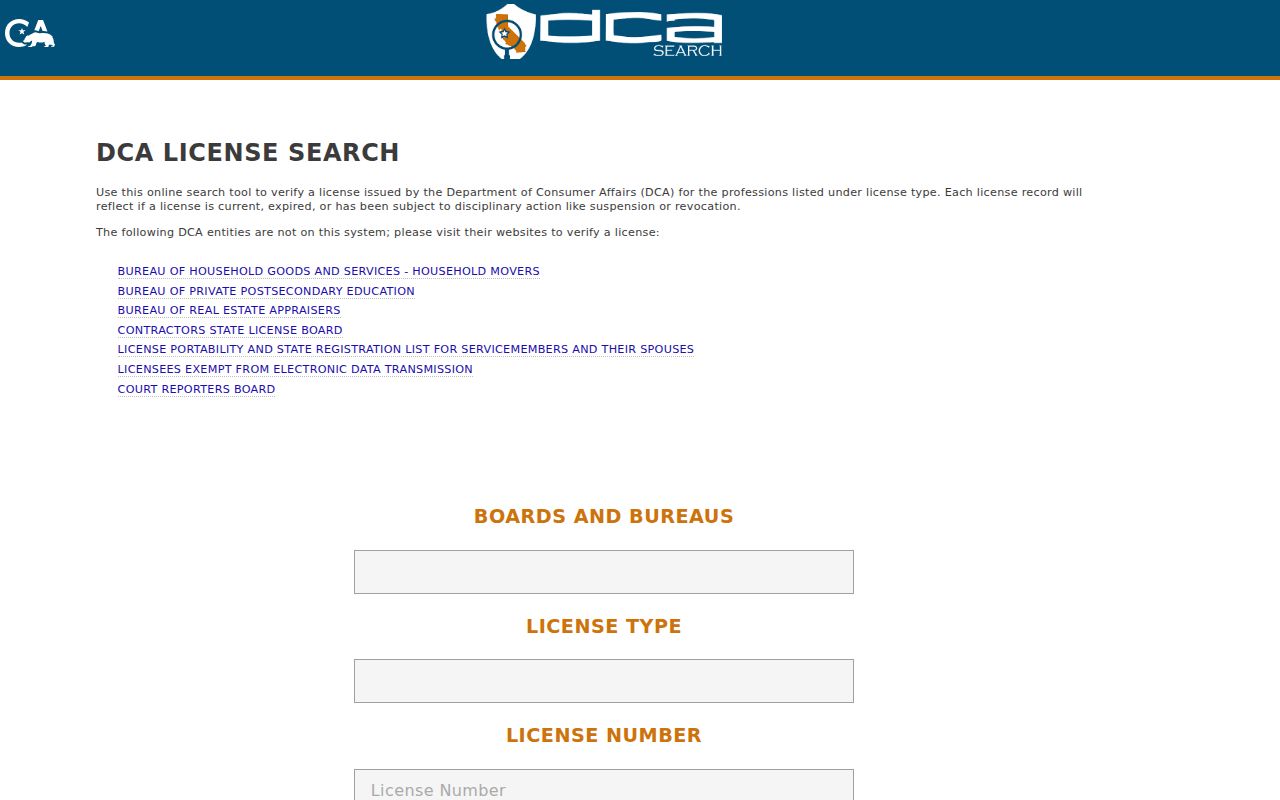
The official-record capture belongs beside a date and source note, since an index result and a certified copy serve different purposes.
California Search Fields for One Name
San Diego Superior Court is not a statewide resident database, but its Party Name Search can narrow a National City question. The form asks for a case type and case location first. Party type applies to Civil or Domestic cases. Beginning and ending filed-year fields, last or business name, first name, and date of birth can narrow a common name. The result is a locator, so the case number and returned location should be saved before a file request.
| Court search field | Format and use |
|---|---|
| Case Type | Required dropdown that limits the category. |
| Case Location | Required court location or division. |
| Party Type | Conditional field for Civil or Domestic searches. |
| Filed year range | Optional four-digit beginning and ending years. |
| Last or business name | Main name key; more characters improve speed. |
| First name and date of birth | Optional narrowing fields where applicable. |
The Superior Court party search is free to use. The official file is a separate access step.
National City Records: Index or Copy
Search tools and official copies do different work. A name index is quick and often free. A kiosk image, court file, vital copy, or recorder-certified page takes more effort and may carry a fee. A commercial compilation can collect public and marketing data, but it may mix people with the same name or lag behind the custodian. The reliable comparison is not a brand list. It is a question of source, date, role, and whether the issuing office stands behind the record.
| Route | Strength | Limit |
|---|---|---|
| Official index | Fast locator with a custodian and record reference | May omit images, disposition, or protected fields |
| Official file or copy | Primary document, image, or certified record | Eligibility, fee, ID, mail, or counter rules can apply |
| Commercial compilation | May suggest a spelling or old lead | Stale, conflated, paid, and not an official record |
National City School and Community Trails
National City’s school-yearbook runs are unusually useful for reconnecting with classmates. National City High runs 1910-20, Sweetwater Union continues from 1921, National City Junior runs 1954-91, and National City Middle runs from 1992, with partial Granger, San Diego Academy, and San Miguel material. Yearbooks can add a name variant, activity, photograph, or class year that makes an official match less fragile.
The National City Chamber publishes current Chamber and Auto directories that identify businesses, nonprofits, and contacts. They are affiliation records, not resident lists. Kile Morgan holds historic Chamber and organization-member directories, while the Memory Lab offers free Ancestry Library Edition, a microfilm reader, and appointment-based digitization for family papers, photographs, film, audio, and obsolete media. Bring storage for a transfer and expect some media to require real-time playback.
A community source is strongest when it answers a dated question: who belonged to a club, attended a school, signed a paper, or appeared in a local event. It should not be stretched into a household register.
The California Secretary of State business search is the official route for an entity name, file number, status, and dated filing lead.
The National City Memory Lab is a preservation path for personal material that may never appear in a public index.
National City’s Record-Keeping Story
National City’s documentary trail predates city government. Kimball papers begin in 1854, maps appear from 1868, local deeds and mortgages from 1871, the California Patron from 1876, the National City Record from 1882, and municipal minutes, ordinances, and Sanborn material from 1887. Directories begin in 1889, with a dedicated National City section in 1892-93. That sequence explains why historical searches work best as layered records rather than a single database query.
| Era | Useful National City trail | What it adds |
|---|---|---|
| 1854-1870s | Kimball papers, maps, deeds and mortgages | Founders, land context, early property links |
| 1880s-1920s | Newspapers, municipal files, Sanborn, directories, census | Names, addresses, buildings, events, households |
| 1930s-1960s | Polk runs, householder sections, yearbooks, newspapers | Address-to-name clues and school connections |
| 1970-present | ARCC web index, city files, current parcel and court channels | Recent instruments, projects, cases, and official leads |
The local newspaper line also has unusual continuity: Record 1882-1902, News 1903-55, Star-News 1956-95, and Star News from 1996. OCR should be checked against scans because title changes, spelling, and cross-border South Bay coverage can shift a search result.
National City’s Kile Morgan Record Shelf
The Kile Morgan Local History Room ties the modern lookup problem to a physical shelf. It lists San Diego County and City Directories from 1889-1984, deeds and mortgages from 1871-1940, maps from 1868-2000, Sanborn maps from 1887-1927, newspapers from 1882 forward, about 4,500 photographs, oral histories, club scrapbooks, and school yearbooks. The room’s posted hours and appointment language conflict, so call 619-470-5870 or email localhistory@nationalcityca.gov before traveling.
The room closed during 2010 budget cuts and reopened June 2, 2014 with volunteer support. A cited FY2020-21 report described more than 800 digitized objects, including more than 700 photographs, 81 yearbooks, and 59 Kimball diaries. The 2025/26 library strategy reports a collection assessment with SDSU and California Revealed, future Online Archive of California integration, and expanded local-history access. Those initiatives can change what is available, which makes a current staff check worthwhile.
The Kile Morgan local-history collection page is the source for the room’s holdings and current access instructions.
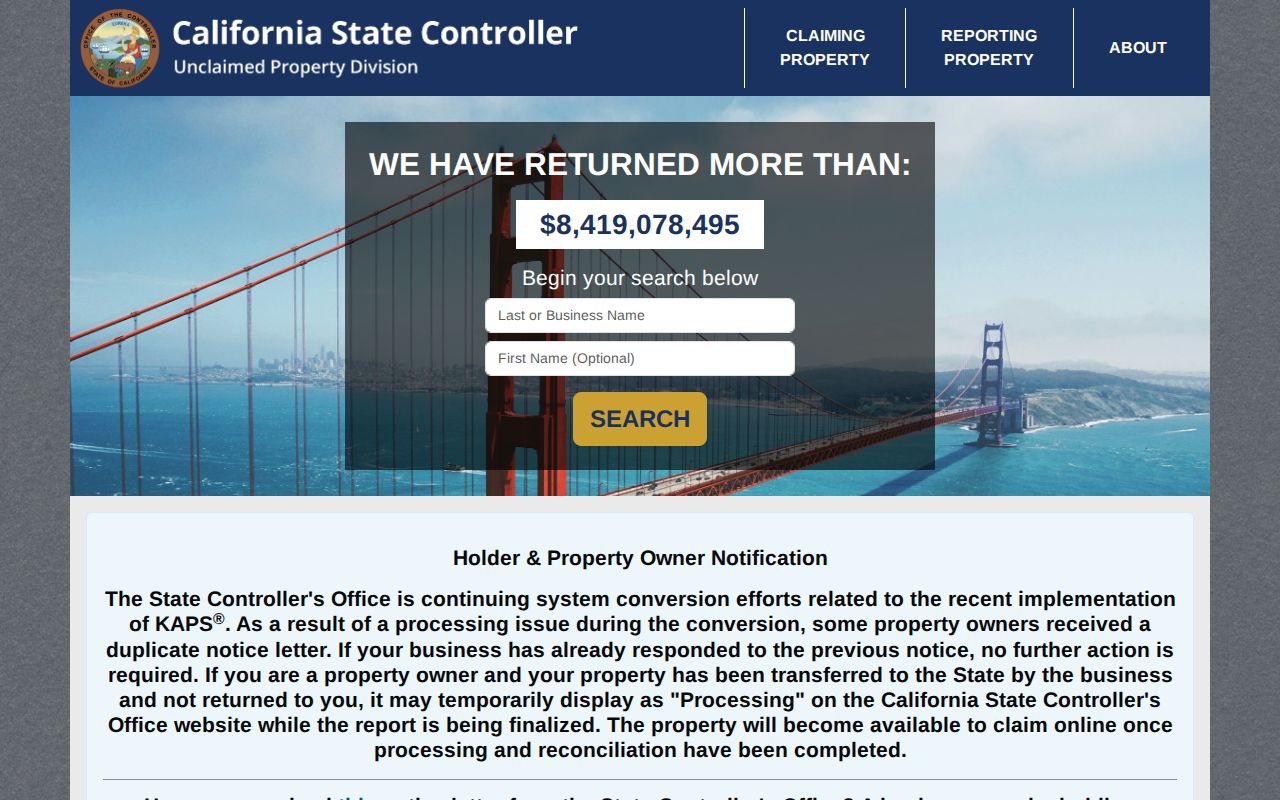
The Kile Morgan holdings page is the best starting point for confirming shelf access and current room instructions.
Definitions for National City Searches
Records use short terms that can hide important limits. The same address may appear in a parcel map, deed, directory, court filing, or permit, but each record describes a different relationship.
- Resident roll
- A record set with people connected to a place or public function. It is not automatically a complete household list.
- Index
- A finding aid with names and record references. An index is not the full image or certified copy.
- Criss-cross directory
- An address-first directory section that turns a street or house number into a householder clue.
- Parcel
- A mapped piece of land identified by an APN. Parcel boundaries do not prove who occupies the land.
National City Records Beyond the Web
Online access is only one channel in the National City records map. The city’s public-records page exposes NCRecords and Laserfiche material such as ordinances, resolutions, minutes, council packets, agreements, boards, and selected historical files. When a posted collection does not answer a narrow question, NextRequest provides an electronic request, status updates, and electronic delivery. A useful request names the department, record category, address or APN, date range, and desired format.
California’s Public Records Act presumes disclosure unless an exemption applies. An agency generally gives an initial determination within ten calendar days and may extend that determination by fourteen days for unusual circumstances. The city is not required to create a new list from scattered databases. Building and Engineering requests can instead seek an existing permit, plan, subdivision, easement, or as-built file. Police records use a role-specific form and can limit release under law. ARCC, the court, the library, and the archives each have their own counter, mail, or appointment route.
When the web path stops, a narrow request is more useful than a demand for everyone connected with an address. It also preserves the difference between an existing public record and a new list that no custodian maintains.
National City Privacy Boundaries
California’s public-record rules do not make every personal fact searchable online. Safe at Home can shield an eligible participant’s residence through a substitute address and confidential voter registration. The California Consumer Privacy Act gives consumers rights against covered data businesses, while public government-record facts may be exempt. The federal Driver’s Privacy Protection Act protects motor-vehicle personal information. Sealed, juvenile, adoption, confidential vital, and protected court material can carry separate limits.
Records that are visible still need lawful personal use. A parcel owner is not necessarily an occupant. A tax mailing line is not a home roster. Voter data is purpose-restricted, and the official state form is for a voter’s own status. Private household members, utility customers, and protected participants may never appear in a public source.
The California voter status service demonstrates the identity check required for a personal registration search.
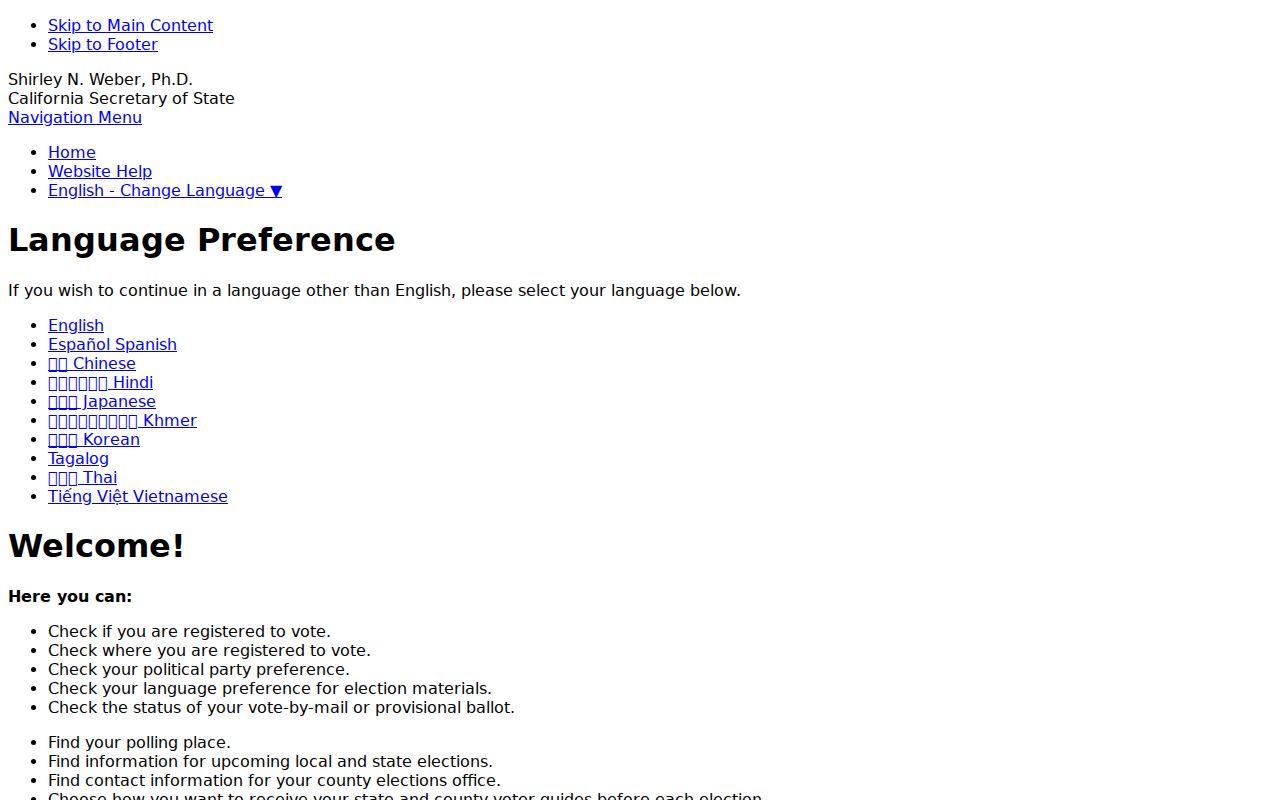
It is a self-check, not a tool for browsing a National City street or block.
Historical National City Resident Directories
The Kile Morgan shelf covers San Diego County and city directories from 1889-1984. The dedicated 1892-93 National City section by S.H. Olmsted and A.A. Bynon includes names, occupations, business links, and residences described with near, between, or corner wording. Later R.L. Polk suburban volumes include alphabetical and householder sections, with 1957 confirmed as an address-first National City Householders Directory. A gap in one canvass is weak negative evidence.
Use a directory entry as a dated clue, then compare it with a census snapshot, newspaper notice, Sanborn footprint, deed, or permit. OCR can mangle names and street spellings, so the scan controls. The full collection map, sample entry, and tracing method are on the National City city directory page.